FIRST PERSON | WILLIAM SAURO
After living in the neighborhood for more than three decades, I’ve learned that San Francisco has a way of encouraging reinvention. People arrive here to start companies, launch careers or try entirely new lives. In my case, the reinvention came later than most: After years working as a newspaper reporter, advertising executive and television station operator, I finally began writing the novels that had been sitting on my personal “to-do” list for decades.
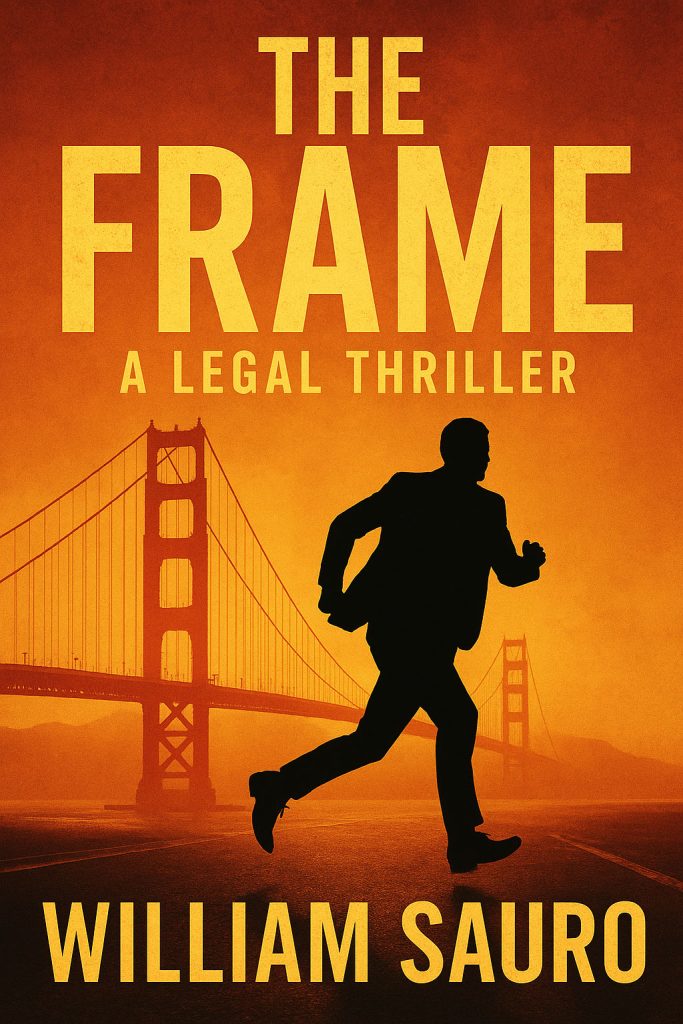
Over the past year I’ve finally had both the time and the strong inclination to begin writing books. Inspired by some of my favorite authors — John Grisham, Scott Turow and others — I decided to try my hand at the legal-thriller genre.
My first novel, The Frame, follows a piece of advice that many writers repeat: write about what you know. With that in mind, I built a story around an advertising executive, an adoptive parent, several San Francisco locations and an inquisitive graduate student. Familiar places helped set the tone of the book: a meeting in Lafayette Park; an office high in the Transamerica Pyramid; a rendezvous with a private investigator at Heinold’s First and Last Chance Saloon in Jack London Square in Oakland.
At its core, The Frame is about how easily the truth can be manipulated. The story follows an advertising executive who becomes entangled in a criminal case that appears straightforward but slowly reveals layers of deception. With the help of an inquisitive graduate student and a skeptical private investigator, he begins to uncover evidence suggesting that the person being prosecuted may have been deliberately framed.
Once I started, the words began to flow. Ideas that had been quietly sitting in the back of my mind for decades finally began to germinate. Sometimes I would sit at the table at the little Starbucks inside Mollie Stone’s Market and jot notes into my phone, to keep things on track.
Back when I worked as a young reporter for the San Diego Evening Tribune (RIP), I often covered stories that lingered with me long after they were printed. I would sometimes wonder: What if the person at the center of the story had a motive that never came out in a police interview or a courtroom confession? Those “what if” questions are the seeds of fiction.
Advertising also turned out to be good training for writing novels. As a copywriter, you need imagination to develop persuasive campaigns and memorable branding. In many ways, an ad campaign is a miniature story: You develop an idea, shape it and present it clearly — whether in a newspaper ad, a radio script or a television commercial.
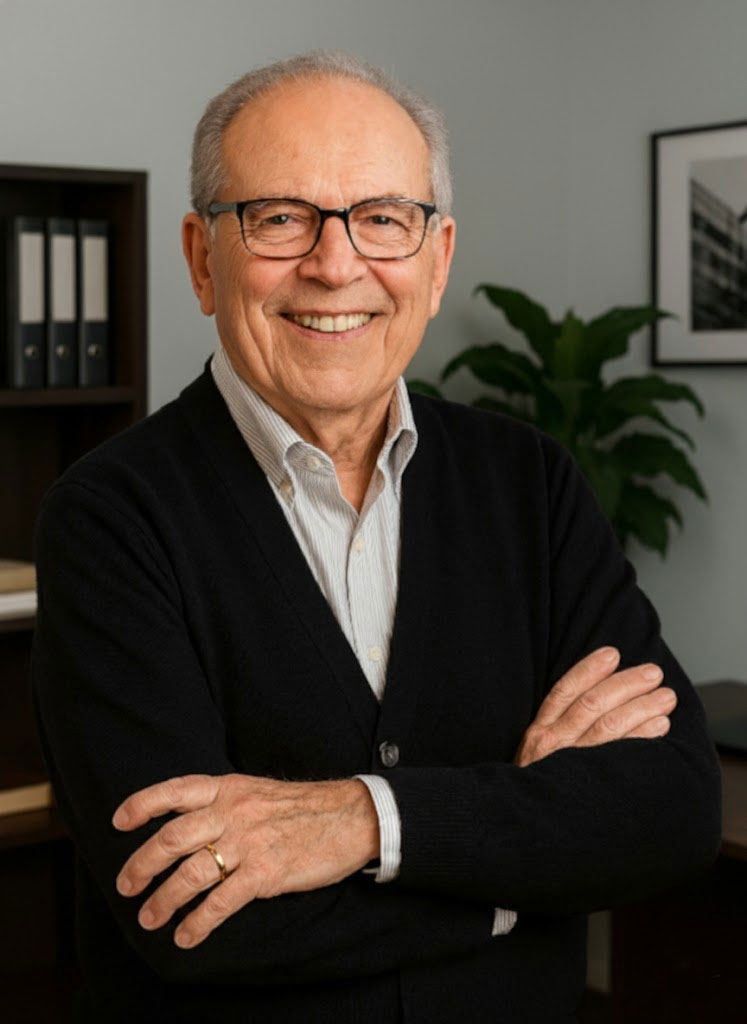
In 1989, my family moved from Arizona to San Francisco for cooler weather — and since my eldest daughter was starting high school, the timing was right. It turned out that both my daughters got wonderful educations at Urban High School. We bought our 1883-era Victorian at Pine and Broderick a week before the Loma Prieta earthquake. It survived both 1906 and 1989.
Now that I’m fully retired, I have no more excuses. In the last year, I’ve written several novels. Their plots include a dishonest judge, a lawyer who is blinded in an accident involving a Waymo vehicle, a teenage journalist who uncovers an environmental disaster, even a historical novel about the founding of America’s land-grant colleges. My most recent is Marine One Down, a political thriller in which the president’s helicopter is shot down. They’re all on my website, books.sauro.com, and available for sale from Amazon, Apple or Barnes & Noble.
After decades of writing headlines, ad campaigns and business plans, I’m finally writing the stories that have been sitting in my imagination for years. And it turns out San Francisco — full of characters, history and intrigue — is a pretty good place to start.
Discover more from THE NEW FILLMORE
Subscribe to get the latest posts sent to your email.